Flood Risk & Monsoon Preparedness: How Ganga Residency's Elevation & Infrastructure Safeguard Your Plot Investment
When investing in real estate, particularly in regions near natural watercourses, natural safety and monsoon resilience are paramount concerns for land buyers. Potential plot buyers routinely ask: Is garhmukteshwar prone to river flooding? How does heavy monsoon rainfall impact township infrastructure? Will waterlogging degrade property values?
At Ganga Residency in garhmukteshwar, Western UP, monsoon protection is not an afterthought—it is built into the foundational earthwork engineering. Situated well above high-flood levels (HFL) and backed by subterranean stormwater management, Ganga Residency delivers absolute safety, structural stability, and year-round accessibility.
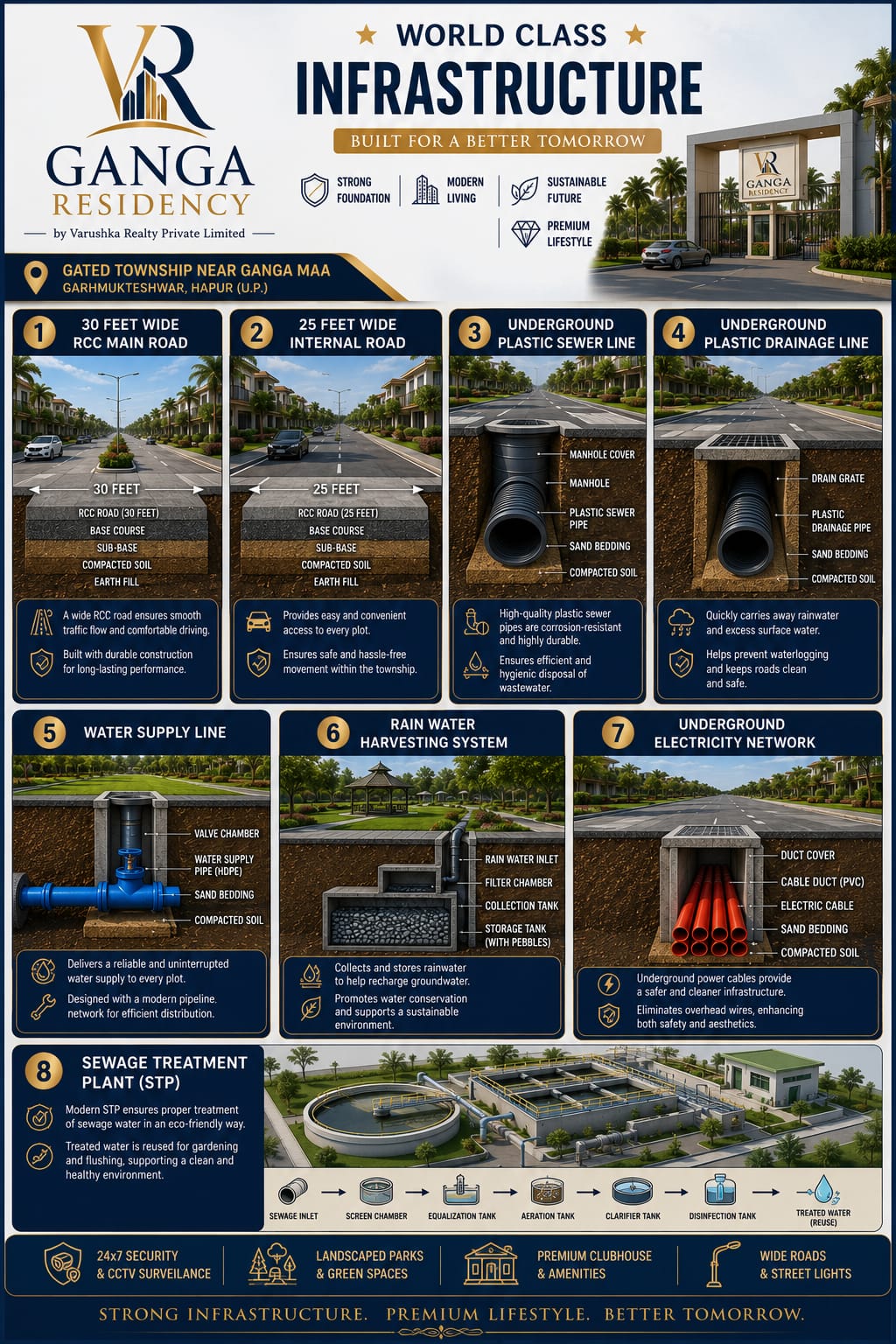
Protect Your Real Estate Investment Against Weather Hazards
Discover how our engineered freehold plots safeguard your capital. Review the detailed master layout on the Ganga Residency Master Plan Page, or explore real-time plot sizes and costs via the Ganga Residency Price List.
Detailed Article Index
- 1. Geographical & Topographical Elevation Advantage
- 2. Advanced Subterranean Stormwater Drainage Architecture
- 3. Infrastructure Walkthrough & Site Video
- 4. Comparative Analysis: Unplanned Plots vs Ganga Residency
- 5. Soil Bearing Capacity, Foundation Safety & Road Durability
- 6. Proximity to Ganga Expressway & Strategic Micro-Location
- 7. Recommended Investor Guides & Legal Resources
- 8. Frequently Asked Questions (Monsoon & Legal Safety)
1. Geographical & Topographical Elevation Advantage
A common misconception among first-time real estate investors in Delhi NCR is assuming that any property in garhmukteshwar lies within the active floodplains (Khadar) of the River Ganga. In reality, Western UP topography is strictly divided into two distinct zones: lower active floodplains and elevated upper tablelands (Bangar).
Ganga Residency is located exclusively on the high-elevation Bangar plateau. The entire township site sits elevated multiple meters above the historical High Flood Level (HFL) recorded during peak monsoon discharges. Even during extreme cloudburst events or heavy releases from upstream barrages, floodwaters remain constrained within the natural, embankment-protected flood channels miles away from the development.
This natural topographical elevation offers crucial benefits to plot owners:
- Zero Inundation Risk: Water cannot breach the elevated plateau on which the township is engineered.
- Sub-soil Hydrostatic Pressure Prevention: High elevation prevents rising groundwater tables from destabilizing building foundations during monsoon months.
- Uninterrupted Vehicular Access: Access highways, including NH-9 and the nearby Ganga Expressway corridors, remain dry and operational year-round.
2. Advanced Subterranean Stormwater Drainage Architecture
Even on elevated land, heavy monsoon rain can cause localized waterlogging if internal road drainage is poorly planned. High-density urban areas like Delhi, Noida, and Ghaziabad frequently suffer severe urban flooding due to clogged, under-capacity surface drains.
At Ganga Residency, civil engineers implemented integrated drainage planning during the land layout phase:
Dual-Sided Underground Drains
Every internal road (spanning 30 to 40 feet in width) is bordered by deep, concrete-lined subterranean stormwater channels designed to clear peak hourly rainfall instantly.
Graded Road Contours
Road surfaces feature a engineered 2% cross-slope camber, forcing surface rainwater off asphalt pavement and directly into collection catch pits without pooling.
Peripheral Outfall Basins
Collected runoff drains via gravity into dedicated peripheral recharge pits, returning clean water to natural aquifers while keeping residential streets dry.
Similar planning principles can be observed at our sister project, Ganga County garhmukteshwar, setting a strong standard for master-planned gated communities in the region. You can explore the complete amenity breakdown on our Ganga Residency Amenities Guide.
3. Infrastructure Walkthrough & Site Video
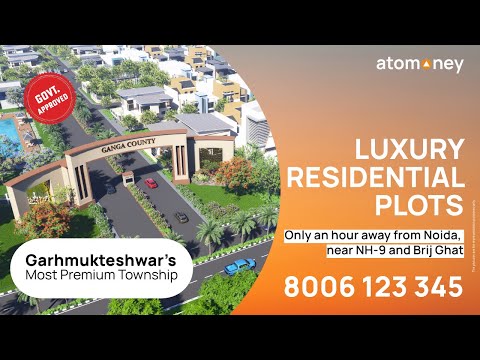
See the civil development, elevated road networks, and master drainage infrastructure firsthand by reviewing our site video walkthrough:
4. Comparative Analysis: Unplanned Plots vs Ganga Residency
Compare monsoon resilience across unorganized agricultural plot divisions, urban NCR apartments, and Ganga Residency:
| Drainage & Safety Parameter | Unplanned Agricultural Plots | Cramped NCR Urban Flats | Ganga Residency Gated Plots |
|---|---|---|---|
| Elevation Standard | Low-lying natural ground level | Variable / Basements prone to flood | Engineered High Bangar Elevation |
| Monsoon Drainage | No municipal drains; mud logging | Overloaded city storm drains | Dual Subterranean Concrete Channels |
| Road Construction | Kachha dirt tracks / Uncompacted | Pothole-prone asphalt | Wide Heavy-Duty Compacted Roads |
| Foundation Protection | High risk of soil sinking | Shared building liability | Solid Compaction & High Soil SBC |
| Long-term Value Impact | Erosion and value loss | High building maintenance fees | Rapid Appreciation & Capital Growth |
5. Soil Bearing Capacity, Foundation Safety & Road Durability
Monsoon water seepage can weaken soft uncompacted soil, leading to foundation cracks, sinking driveways, and road damage in hastily partitioned developments. At Ganga Residency, every plot sector undergoes strict sub-grade preparation:
- High Soil Bearing Capacity (SBC): The native soil on the Bangar tableland consists of dense, consolidated alluvial loam with high SBC, making foundation construction cost-effective and secure.
- Sub-base Compaction: Internal road beds feature heavy roller compaction over crushed aggregate bases before asphalt overlay, ensuring zero road settlement during prolonged rain.
- Utility Protection Conduits: Electrical and water utility trenches are laid underground in reinforced conduits. This prevents utility disruption during severe storms and avoids road cuts later on.

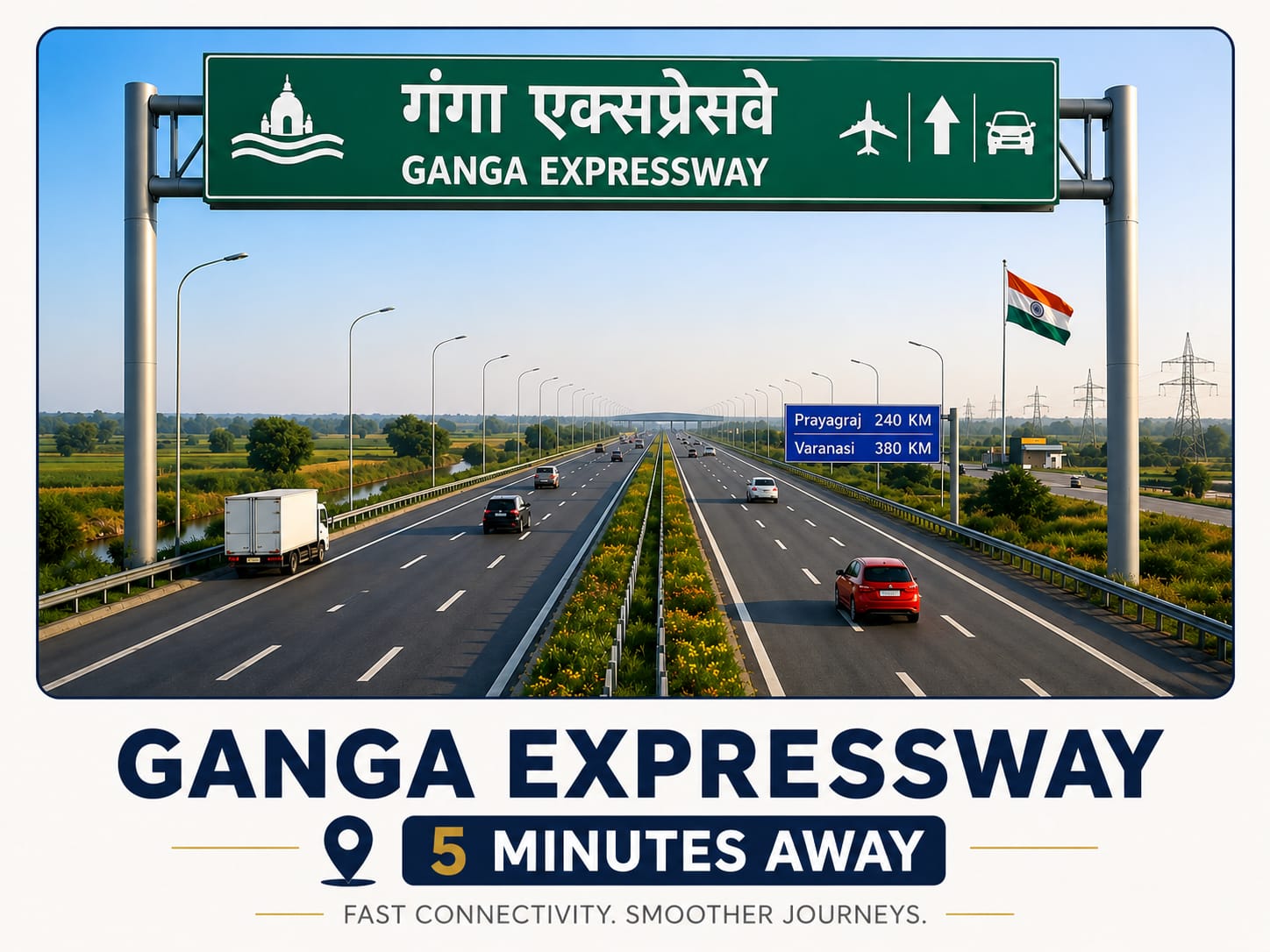
6. Proximity to Ganga Expressway & Strategic Micro-Location
Besides structural monsoon safety, Ganga Residency provides excellent connectivity across Western UP and the National Capital Region. Situated near the Ganga Expressway interchange and NH-9 (Delhi-Lucknow Highway), commuting to Ghaziabad, Noida, or Delhi takes under 75 minutes.
Learn more about regional access in our detailed Ganga Residency Location & Distance Guide and our dedicated Location Page.
7. Recommended Investor Guides & Legal Resources
To help you evaluate plot investments, explore our selection of internal and external guides:
Internal Knowledge Base:
- Top Reasons to Invest in Residential Plots in garhmukteshwar
- Essential Legal Documents to Check Before Booking Pre-Launch Plots
- Comparing 100 sq. yd. vs 150 sq. yd. Plot Sizes for Villa Construction
- Why Infrastructure Near Ganga Expressway Drives 2026 Appreciation
- Vastu-Friendly Plot Layouts & Directional Guidelines at Ganga Residency
External Analysis & Market Reports:
- Why garhmukteshwar is NCR's Top Investment Hotspot in 2026 (Medium Report)
- Section 143 vs Section 144 Land Approvals Near Garh Ganga: Legal Guide
- 10 Capital Growth Factors Driving Ganga Residency's 2026 Surge
8. Frequently Asked Questions (Monsoon & Legal Safety)
Does Ganga Residency experience waterlogging during heavy monsoon storms?
No. The combination of high tableland elevation and dual subterranean storm drains ensures that rainwater drains off immediately, leaving roads completely water-free.
How far is Ganga Residency from the actual riverbank?
Ganga Residency is located at a safe, elevated distance from the active riverbed, well outside any flood buffer zone. This provides scenic access to Garh Ganga while maintaining absolute physical safety.
Can I begin constructing my villa immediately after plot registration?
Yes. The land is freehold, demarcated, and equipped with completed civil infrastructure (roads, drainage, utilities). You can begin villa construction right away.
Where can I download official brochure documents and master plans?
You can download the official township brochure directly via the Ganga Residency PDF Brochure Link.